



Knowing when to replace a skylight is important because the condition of the unit has a direct effect on comfort, energy efficiency, and the overall health of your roof system. Homeowners often begin noticing small signs such as minor dripping during heavy rain, fogging between panes, or slight discoloration around the drywall. These changes seem harmless at first, but they are strong indicators that the skylight seals are weakening. In Florida, constant sun exposure and sudden temperature swings accelerate the breakdown of older skylights. Glass expands and contracts daily, caulking becomes brittle, and flashing begins to lift or detach from the roof surface. Once this process starts, the skylight becomes more vulnerable to leaks during seasonal storms.
Age is another major factor. Most skylights last between fifteen and twenty years. Even high quality products begin to lose thermal performance during this period. A twenty year old skylight may still look intact, but the glazing can allow more heat to pass into the home. You may notice rooms beneath the skylight feel warmer, or your air conditioning seems to run longer than usual. These subtle changes often signal that the skylight has lost its insulating efficiency.
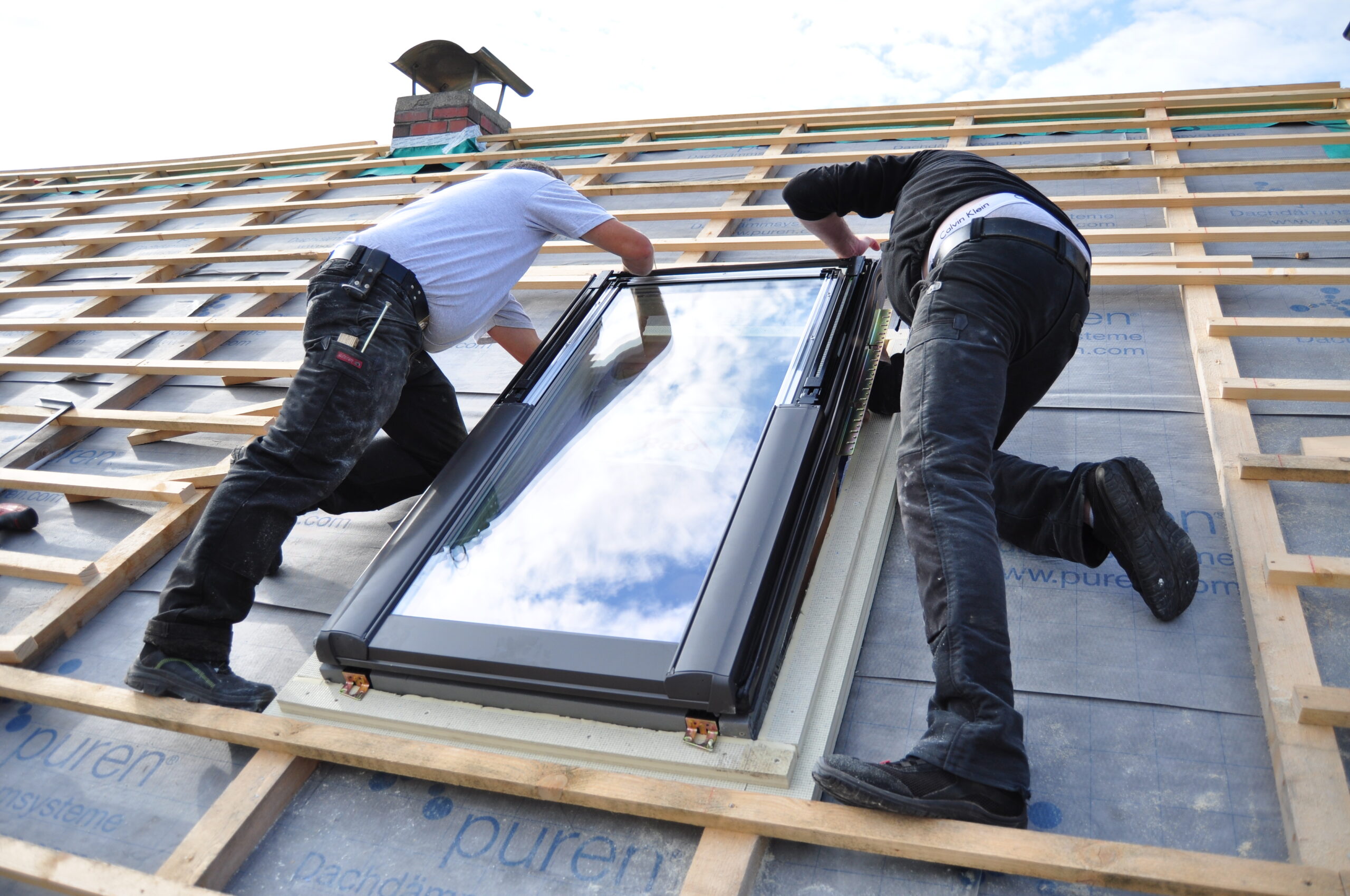
Visible signs should never be ignored. Cracking, warping, yellowing, or moisture inside the panes show that the glazing and seals have broken down. Water stains around the shaft or ceiling are a more urgent warning. A damaged skylight can direct water straight into the attic or insulation, and hidden moisture can lead to mold growth. If the roof is nearing replacement age, the timing is ideal to install a new skylight along with the new roofing system. This approach creates a clean seal and avoids disturbing the roof again later. A professional inspection is the best way to determine whether replacement is necessary, but if any of these issues are present, a new skylight is usually the safest long term option.